




The Civil Aviation Authority of Singapore (CAAS) has set up the Asia Pacific Sustainable Aviation Centre (APSAC) to advance sustainable aviation in the Asia-Pacific region through policy research, collaboration and capacity building. Mr Han Kok Juan, Director-General of CAAS chairs the Centre’s Board. Mr Philip Goh has been appointed as the founding Chief Executive Officer. An Advisory Council comprising senior executives from key partners in the aviation, energy and green financing sectors, namely Airbus, Boeing, Chevron, ExxonMobil, GenZero, International Air Transport Association and Neste, has been set up to guide and direct the Centre in its work.
The APSAC will pursue four immediate priorities in its first year. First, it will engage Asia-Pacific states and civil aviation authorities on their needs and plans for sustainable aviation and understand how it can support them. Second, it will engage private sector and academia partners to bring together expertise and resources to help support sustainable aviation efforts in the region. In this regard, the Advisory Council members will provide invaluable links to the wider sustainable aviation ecosystem through their respective networks. Third, it will start joint projects, studies and trials with partners to support sustainable aviation policies for the region. Fourth, it will curate and run capacity-building programmes and conferences. The programmes will equip aviation professionals with the requisite knowledge to drive sustainability initiatives within their respective organisations while the conferences will bring stakeholders together to form collaborative partnerships to advance sustainable aviation.
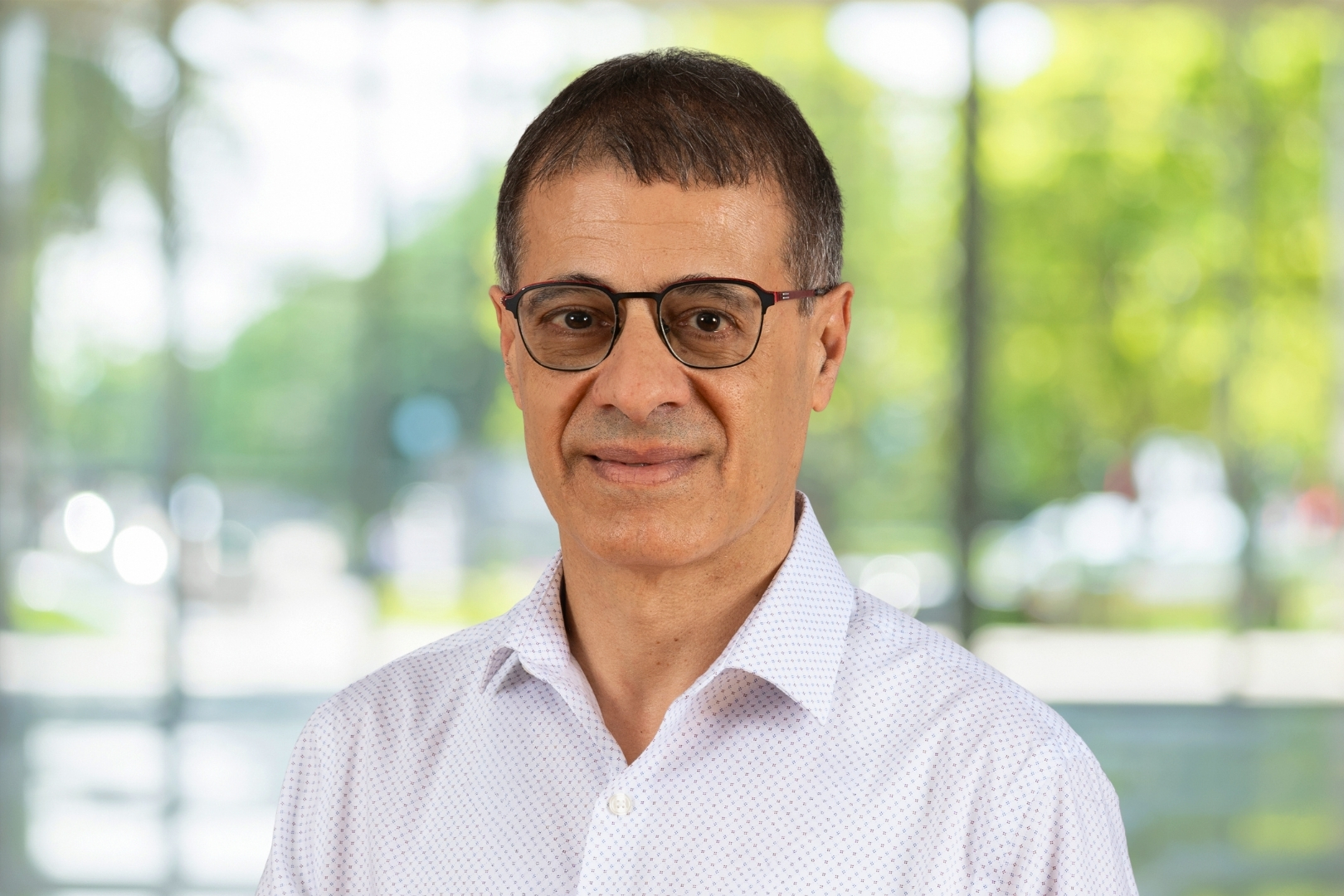
Mr Philip Goh, CEO of the APSAC said: “It is an honour to have been appointed to lead this new organisation. Aviation sustainability is an urgent priority, and I look forward to building up partnerships to work on regional projects and capacity-building programmes, that can deliver tangible and meaningful outcomes for Asia-Pacific States.” [Source: CAAS]